Introduction to Dewalt Rivet Gun
The construction and crafting industries rely heavily on efficient fastening solutions, and the dewalt rivet gun stands out as a pivotal tool designed to meet these demands. This versatile tool simplifies the riveting process, allowing users to achieve strong, reliable connections across various materials. Whether you’re working on automotive projects, construction assemblies, or home repairs, understanding the features and benefits of a Dewalt rivet gun can significantly enhance your productivity and quality of work.
What is a Dewalt rivet gun?
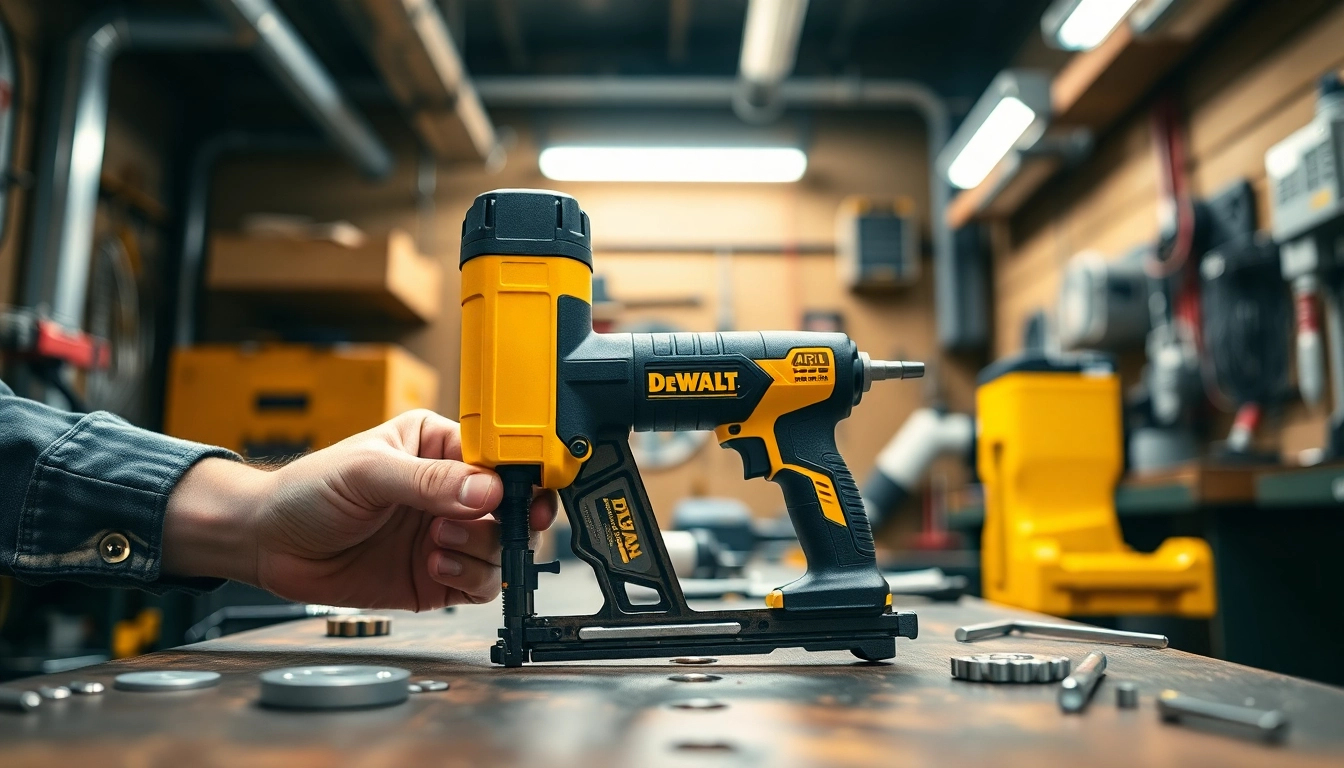
A Dewalt rivet gun is a high-performance, cordless tool that uses hydraulic power to install rivets efficiently. It operates on an 18-volt battery system, ensuring that you can work in environments where power supply might be limited. Designed for both professional tradespeople and DIY enthusiasts, this tool streamlines the riveting process, making it less labor-intensive and more precise.
Key Features of Dewalt rivet gun
- Battery-Powered Convenience: With no cords to limit your mobility, the Dewalt rivet gun’s cordless design allows for unrestricted movement, enhancing the ease of use.
- Hydraulic Operation: Utilizing hydraulic technology minimizes effort while maximizing the strength of the rivets. This feature ensures that users can apply with consistent force for a secure fastening experience.
- Compatibility: The Dewalt rivet gun accommodates various rivet sizes, typically ranging from 24 mm to 48 mm, allowing versatility for multiple applications.
- Durable Construction: Built with robust materials, the rivet gun is designed to withstand rigorous use on job sites, significantly extending its lifespan and reliability.
- LED Work Light: The integrated LED light improves visibility in low-light environments, making it easier to position the rivet in place.
- Easy-To-Use Design: With an ergonomic grip and intuitive controls, this tool is accessible for users of all skill levels, promoting ease of operation.
Benefits of Using the Dewalt rivet gun
The Dewalt rivet gun is not just another tool; it represents a significant enhancement in the performance and efficiency of riveting tasks. Here are some of the primary benefits of incorporating this tool into your arsenal:
- Increased Efficiency: The hydraulic mechanism allows for more efficient riveting compared to traditional manual methods, saving time and energy.
- Improved Accuracy: The precision design ensures rivets are installed correctly, reducing the likelihood of fastening errors that can lead to material failure.
- Enhanced Safety: Features such as the ergonomic grip and automatic retraction minimize physical strain, making it safer for prolonged use.
- Versatile Applications: Suitable for a variety of projects, from automotive repairs to building and construction, the Dewalt rivet gun is adaptable to both professional and domestic requirements.
Understanding the Mechanics of Dewalt Rivet Gun
How Dewalt rivet gun Works
Understanding the mechanics of the Dewalt rivet gun is key to maximizing its potential. The operation involves a few straightforward steps:
- Loading the Rivet: Insert the rivet into the nozzle of the gun.
- Positioning: Align the rivet with the materials being joined.
- Pull the Trigger: When you pull the trigger, the hydraulic system activates, applying force to the rivet and drawing it through the materials.
- Rivet Installation: The tool pulls the mandrel (the internal pin of the rivet) until it breaks, securing the rivet in position.
Types of Rivets Compatible with Dewalt rivet gun
The Dewalt rivet gun is compatible with multiple types of rivets, making it adaptable for various applications. Here’s a brief overview of the common types of rivets you can use:
- Blind Rivets: Ideal for applications where access to the rear side of the materials is limited.
- Solid Rivets: Used in structural applications requiring reliable performance.
- Multi-Grip Rivets: These can accommodate different material thicknesses, providing versatility in fastening.
- Shear Rivets: Designed for high strength and ductility, suitable for heavy-duty applications.
Choosing the Right Dewalt rivet gun for Your Project
Selecting the right Dewalt rivet gun means understanding your project requirements. Consider factors such as:
- Rivet Size: Ensure the gun you choose can accommodate the rivet lengths you need.
- Power Source: Opt for a battery-powered model if you require mobility on job sites.
- Weight and Ergonomics: Heavier models may provide more power, but lighter models offer ease of handling for extended tasks.
- Features: Assess additional features, such as LED lights or variable speed settings, that may enhance usability.
Best Practices for Using Dewalt Rivet Gun
Preparing Materials for Riveting with Dewalt rivet gun
Proper preparation is critical for effective riveting. Follow these steps to get your materials ready:
- Clean the Surface: Ensure that the surfaces to be joined are free from dust, oils, and rust.
- Align Materials: Position the materials accurately to ensure a solid joint.
- Select the Right Rivet: Choose a rivet that fits both the material types and the thickness you are working with.
Steps to Follow When Using Dewalt rivet gun
To achieve the best results when operating a Dewalt rivet gun, adhere to these steps:
- Check the Battery Charge: Ensure that the battery is fully charged to avoid interruptions during use.
- Load the Rivet: Insert the rivet correctly into the gun’s nozzle.
- Position the Gun: Hold the gun perpendicular to the joint area for optimal rivet alignment.
- Securely Pull the Trigger: Pull the trigger smoothly until the rivet is fully installed.
- Inspect the Rivet: After installation, check that the rivet is firmly in place and the mandrel has broken off cleanly.
Safety Tips for Operating Dewalt rivet gun
Maintaining safety while using the Dewalt rivet gun is paramount. Follow these safety tips to protect yourself:
- Wear Protective Gear: Always use safety glasses and gloves to protect against debris.
- Ensure Proper Lighting: Work in well-lit conditions to clearly see the working area.
- Regularly Inspect the Tool: Check for damage or wear before each use to prevent malfunctions.
- Follow Manufacturer Instructions: Always refer to the user manual for specific safety guidelines and operational advice.
Maintenance and Troubleshooting Dewalt Rivet Gun
Regular Maintenance for Dewalt rivet gun
Regular maintenance extends the life of your Dewalt rivet gun and ensures optimal performance. Consider the following practices:
- Cleansing: Keep the tool free from dust and debris. Use a soft cloth to wipe down the exterior after each use.
- Check the Battery: Monitor the battery’s condition, ensuring it is charged and free from corrosion.
- Inspect for Wear: Look for any signs of wear on the nozzle and check that the hydraulic system operates smoothly.
- Service Regularly: Consider periodic servicing by a professional to address any internal issues.
Common Issues and Solutions for Dewalt rivet gun
Every tool can encounter issues. Below are common problems users may face with the Dewalt rivet gun and suggested solutions:
- Gun Not Triggering: Ensure the battery is charged, and connections are secure. Check for blockages in the rivet path.
- Rivets Not Pulling: Verify you’re using the correct rivet size for the tool and that the nozzle is properly fitted.
- Hydraulic Leak: If you notice hydraulic fluid, stop using the tool immediately and contact a service technician.
When to Seek Professional Help for Dewalt rivet gun
While some issues may be solvable at home, others require professional expertise. Seek professional help if you experience:
- Persistent Failures: If the rivet gun consistently fails to operate properly.
- Internal Component Issues: Signs of wear or damage within the hydraulic system.
- Electrical Problems: If the battery and trigger mechanism are malfunctioning beyond simple troubleshooting.
FAQs About Dewalt Rivet Gun
What types of projects benefit from a Dewalt rivet gun?
The Dewalt rivet gun is ideal for a variety of projects, including automotive assembly, cabinetry construction, metal work, and roofing applications. Its versatility makes it an excellent choice for both professionals and home users.
How do I maintain my Dewalt rivet gun?
Maintenance involves regular cleaning, battery checks, and periodic inspections for wear and tear. Keep the exterior clean, check the hydraulic system, and serve the tool professionally when necessary.
What is the warranty period for Dewalt rivet gun?
Dewalt typically offers a warranty period of three years for their rivet guns, covering any manufacturing defects. Always refer to the documentation that accompanies your tool for specific warranty details.
Can I use Dewalt rivet gun for outdoor projects?
Yes, the Dewalt rivet gun is suitable for outdoor projects, provided it is used in dry conditions and stored away from extreme weather when not in use. Its rugged build makes it a reliable choice for outdoor applications.
Are there accessories recommended for Dewalt rivet gun?
Recommended accessories for the Dewalt rivet gun include various rivet sizes, a carrying case for easy transport, and additional batteries for uninterrupted operation. Always check that accessories are compatible with your specific model for peak performance.
The Dewalt rivet gun is an essential tool that transforms the riveting process, enhancing efficiency and precision across various applications. By understanding its features, operation, and maintenance, users can maximize their investment and achieve outstanding results in their projects. For more tools and tips, explore options at Mistrer Worker.