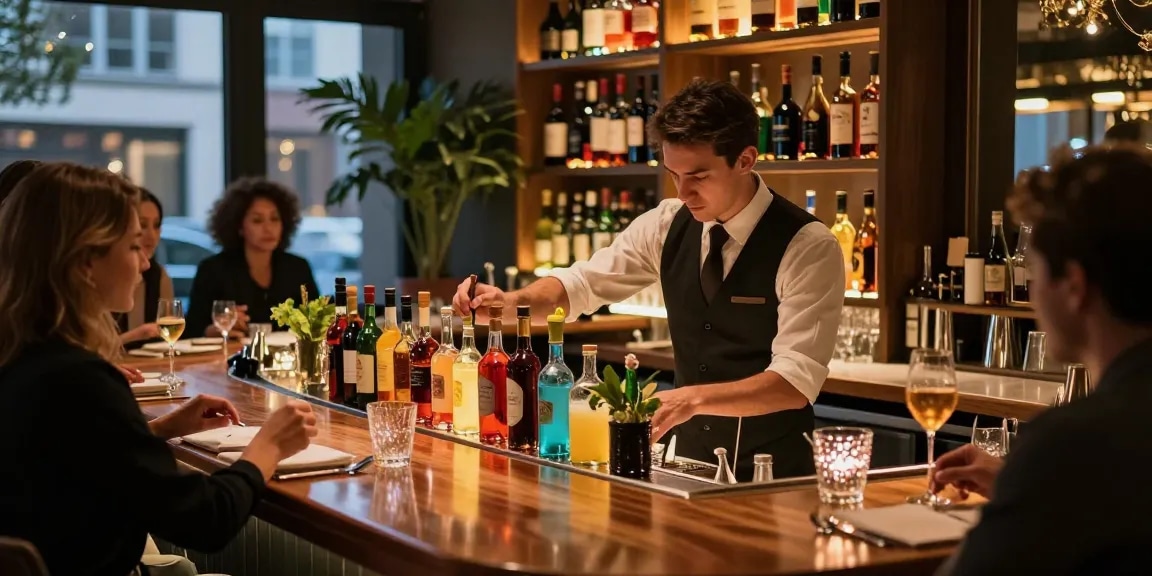
Understanding the Landscape of Restaurant Supplies
The restaurant industry is constantly evolving, influenced by changing consumer preferences, technological advancements, and an ever-increasing emphasis on sustainability. As we move further into 2026, understanding the critical components of Restaurant Supplies has never been more essential. From efficient barware to elegant tableware, the right supplies not only enhance the dining experience but also significantly impact a restaurant's operational efficiency and customer satisfaction.
What Are Restaurant Supplies and Their Importance?
Restaurant supplies encompass a wide range of items required for the daily operations of food service establishments. This includes everything from kitchen appliances and cooking utensils to tableware and bar equipment. The importance of these supplies cannot be overstated, as they directly affect:
- Operational Efficiency: High-quality supplies streamline food preparation and service, allowing establishments to serve their customers quickly and effectively.
- Customer Experience: The right tableware and barware can elevate the dining experience, making it more enjoyable for patrons.
- Cost Management: Investing in durable, efficient supplies can result in lower replacement costs and reduced waste.
Current Trends in Restaurant Supplies for 2026
As we delve deeper into 2026, several trends are shaping the landscape of restaurant supplies:
- Sustainable Materials: More restaurants are prioritizing eco-friendly options in their supplies, choosing items made from recycled materials or those that promote sustainability.
- Smart Technology: The integration of technology in restaurant supplies—like smart kitchen appliances—helps in monitoring energy usage and improving efficiency.
- Customizable Solutions: A growing trend is the demand for customizable or branded supplies that align with a restaurant's identity and enhance marketing efforts.
Common Misconceptions About Restaurant Supplies
Despite the essential role that restaurant supplies play, misconceptions abound:
- Higher Cost Equals Better Quality: Not all high-priced items guarantee longevity or performance. It’s essential to research and select based on value.
- All Supplies Are Universally Compatible: Different types of kitchen and bar equipment may require specific accessories or supplies for optimal function.
- Buying in Bulk Always Saves Money: While bulk purchases can reduce costs, it's crucial to consider the storage and turnover rates of supplies.
Essential Barware for Modern Restaurants
Barware is a fundamental component of any dining establishment that serves beverages. The right selection can enhance the quality of drinks and the overall experience for customers.
Top Barware Items Every Restaurant Should Have
While the specific needs may vary, classic barware essentials include:
- Shakers and Strainers: Essential for mixing cocktails, they come in various styles like Boston or Cobbler shakers.
- Glassware: A selection of glass types (highball, lowball, wine, and specialty glasses) is vital for serving different beverages properly.
- Measure Tools: Accurate measuring tools, such as jiggers and thimble measures, ensure that cocktails maintain consistent quality.
Choosing the Right Glassware for Your Cocktails
The glassware used for cocktails can significantly affect the drink's presentation and, ultimately, the customer’s experience. Factors to consider include:
- Style: Each cocktail has traditional glassware that enhances its character, whether a martini glass for a classic martini or a highball glass for a refreshing spritzer.
- Durability: Choosing high-quality, break-resistant glassware can reduce losses incurred from breakage during busy service hours.
- Functionality: Stackable, dishwasher-safe options can save space and simplify maintenance.
Maintenance Tips for Barware Longevity
To maximize the longevity of barware, follow these maintenance practices:
- Regular Cleaning: Ensure all items are cleaned after use to prevent build-up that can affect taste and hygiene.
- Avoiding Abrasives: Use mild detergents and soft cloths to clean glassware and utensils, preventing scratches and dullness.
- Proper Storage: Store glassware upright to prevent chipping and stacking in a manner that avoids breakage.
Tableware Innovations Transforming Dining Experiences
Tableware design is as crucial as barware, as it significantly influences the dining atmosphere. Innovations in this area are changing how meals are presented and enjoyed.
The Latest Trends in Restaurant Tableware Design
Emerging trends in tableware design for 2026 include:
- Artisanal Designs: Unique, handcrafted pieces are gaining popularity and offer a distinct touch to the dining experience.
- Colorful Collections: Bold colors and patterns are being embraced, allowing restaurants to express their brand personality through table settings.
- Multi-Functional Items: Plates and bowls designed for multiple uses are becoming standard, reducing the number of items needed for service.
Eco-Friendly Tableware Options and Sustainability
With the increased focus on environmental responsibility, many restaurants are shifting toward sustainable tableware options such as:
- Bamboo and Biodegradable Materials: These materials are environmentally friendly and have become popular alternatives to traditional plastics.
- Recyclable Tableware: Using materials that can easily be recycled helps in minimizing waste.
- Locally Sourced Products: Incorporating locally made tableware can support the economy while reducing carbon footprints associated with transportation.
Maximizing Efficiency with Smart Tableware
Smart tableware is on the rise, utilizing technology to enhance the dining experience. Consider:
- Temperature-Controlled Plates: Plates that maintain the optimal temperature for dishes can improve the taste and enjoyment of meals.
- Smart Serving Platters: These can track food temperatures and notify staff when a dish needs attention, ensuring timely service.
- Interactive Menus: Tablets or screens integrated into table settings allow guests to view dishes, place orders, and make modifications easily.
Effective Procurement Strategies for Restaurant Supplies
Developing effective procurement strategies is essential for securing quality restaurant supplies at competitive prices. Here are best practices to consider:
How to Source Quality Restaurant Supplies at Competitive Prices
To achieve cost-efficiency while maintaining quality, follow these strategies:
- Research Suppliers: Take time to evaluate multiple suppliers for price and quality comparisons.
- Negotiate Terms: Don’t hesitate to negotiate pricing, delivery terms, and payment options with suppliers.
- Utilize Networking: Connect with other restaurant owners and industry professionals to share supplier recommendations and experiences.
Understanding Leasing Options for Expensive Equipment
When it comes to expensive equipment, leasing can provide a practical solution. Considerations include:
- Lower Initial Costs: Leasing reduces upfront costs, allowing restaurants to invest in other areas.
- Flexibility: Leasing terms can provide flexibility in upgrading to newer models as technology evolves.
- Maintenance and Support: Many leasing agreements include maintenance support, reducing additional operational burdens.
Building Long-Term Supplier Relationships for Success
A strong supplier relationship can lead to several benefits, including:
- Better Pricing: Long-term partnerships often result in more favorable pricing structures.
- Priority Service: A solid relationship ensures suppliers prioritize your orders and respond quickly to emergencies.
- Joint Marketing Opportunities: Collaborating with suppliers can help enhance visibility and attract new customers.
Future-Proofing Your Restaurant with Smart Supplies
Future-proofing is about anticipating changes in the industry and adapting accordingly. Here are key aspects to consider:
Adapting to Technological Advancements in Food Service Equipment
As technology continues to advance, restaurants must stay updated on new equipment that can enhance efficiency:
- Automation: Automated cooking and service equipment can significantly reduce labor costs and improve consistency.
- Cloud-Based Management: Utilizing cloud-based systems for inventory and order management can streamline operations.
- Data Analytics: Leveraging data from customer interactions can improve menu design and dining experiences.
Anticipating Customer Preferences in Restaurant Supplies
Understanding customer preferences is key to staying relevant. This includes:
- Preference for Local: Consumers are increasingly seeking local ingredients and products, including tableware.
- Health-Conscious Options: Offering health-focused menu items and supplies that align with consumer trends can attract more guests.
- Personalized Experiences: Customization in menu options and dining experiences is becoming a significant draw for diners.
Staying Ahead of Industry Competitors Through Innovation
Innovation is essential for remaining competitive. Strategies include:
- Experimenting with New Concepts: Regularly introducing new menu items or dining experiences can keep patrons engaged.
- Investing in Training: Ensuring staff is well-trained on the latest equipment and service techniques can enhance operations.
- Feedback Mechanisms: Implementing feedback systems to collect customer opinions can guide necessary adjustments and innovations.