Comprehensive Guide to Mastering Sports Broadcasting Techniques
Understanding the Basics of Sports Broadcasting
Defining Sports Broadcasting
Sports Broadcasting encompasses the live transmission of sporting events through various channels, including television, radio, and online platforms. It serves as a crucial medium that connects fans to the athletic action, offering real-time commentary, play-by-play analysis, and viewer interaction. Through Sports Broadcasting, audiences experience the thrill of the game, fostering a sense of community and shared excitement across geographical boundaries.
Key Roles in Sports Broadcasting
A sports broadcast involves a collaborative effort among various professionals, each playing a significant role:
- Commentators: They provide real-time descriptions of the action, enriching the viewing experience with insights and statistics.
- Producers: Responsible for orchestrating the overall broadcast, ensuring smooth transitions and timing.
- Camera Operators: Capture the events from multiple angles, offering varied perspectives that enhance viewer engagement.
- Audio Technicians: Manage sound quality, ensuring clear communication and immersive audio experiences.
- Graphic Designers: Create informative graphics that display player stats, game scores, and other relevant information on screen.
The Evolution of Sports Broadcasting
The journey of sports broadcasting has been transformative. Beginning with radio broadcasts in the early 20th century, it progressed to television broadcasts, which became widely popular in the 1950s. Today, digital technology and streaming services have revolutionized the landscape, allowing fans to stream live events from anywhere in the world, creating a more personalized viewing experience. Innovations like augmented reality, social media integration, and mobile apps continue to shape the future of how sports are broadcasted.
Essential Equipment for Sports Broadcasting
Cameras and Audio Gear
The quality of a sports broadcast largely hinges on the equipment used. High-definition cameras with advanced features such as slow-motion capabilities and 360-degree views are essential for capturing every pivotal moment. Additionally, robust audio gear, including lapel and shotgun microphones, helps eliminate ambient noise, ensuring that commentary and crowd reactions are crystal clear.
Broadcast Software and Tools
Broadcasting software plays a crucial role in the production of live sports events. Tools like live-streaming platforms, video editing software, and graphics generation programs allow producers to deliver well-rounded broadcasts. Software such as OBS Studio, Wirecast, and Vmix are popular choices among broadcasters, enabling integration of multiple video sources and real-time graphics.
Set Design and Studio Setup
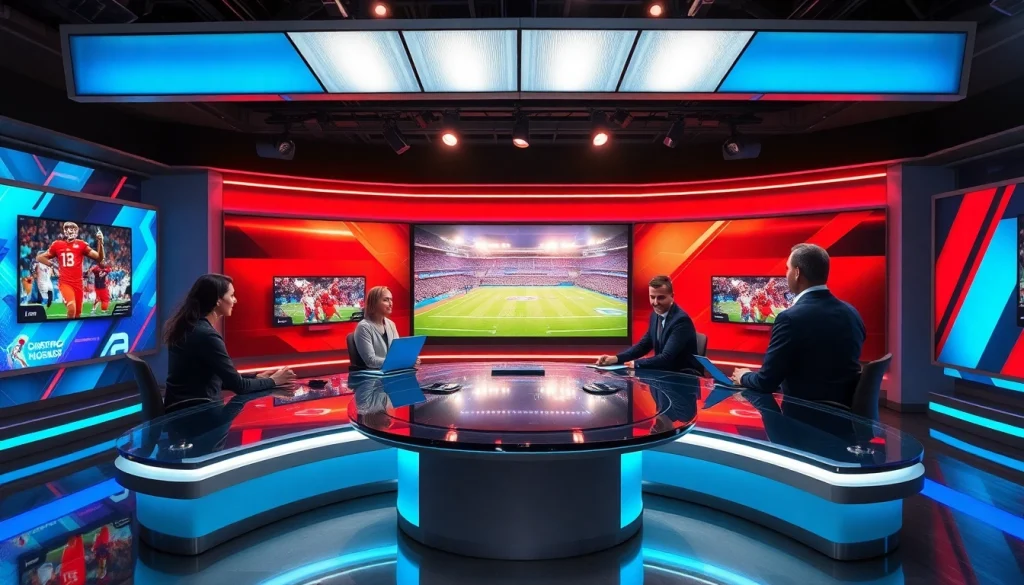
A well-designed studio enhances the overall aesthetics of a sports broadcast. This includes adequate lighting, background elements that reflect the sport’s culture, and seated arrangements that allow smooth camera transitions. The design should facilitate easy movement for presenters and interviewees while incorporating technology like teleprompters and monitor displays for real-time updates.
Techniques for Effective Sports Broadcasting
Engaging Your Audience
Effective engagement strategies are vital in sports broadcasting. Utilizing social media platforms to connect with fans before, during, and after broadcasts can significantly enhance viewer interaction. Integrating live polls, viewer Q&A sessions, and real-time social media commentary helps create a more immersive experience. Additionally, commentators should develop a narrative that resonates with the audience, emphasizing key storylines and emotional elements that draw viewers into the action.
Commentary and Analysis Best Practices
Strong commentary is characterized by clarity, enthusiasm, and informative insights. Analysts should balance technical knowledge with engaging storytelling, providing context around plays and player performances. Watching replays during the broadcast allows commentators to offer in-depth analysis of key moments, adding value to the viewing experience. It’s crucial for them to remain unbiased and provide fair, thorough assessments of all participants in the event.
Creating a Dynamic Broadcast Flow
A dynamic flow in sports broadcasting is essential for keeping viewer interest. This involves organizing the broadcast effectively so that it remains engaging throughout. Implementing strategic pacing, such as transitioning smoothly between live action, commentary, and viewer interaction, helps maintain momentum. Moreover, anticipating potential pauses or breaks in the game can allow for enriching discussions or highlight reels that keep the audience engaged.
Challenges in Sports Broadcasting
Managing Technical Difficulties
Technical issues can arise at any moment during a live broadcast, ranging from equipment malfunctions to connectivity problems. It is vital for broadcasting teams to develop contingency plans, which may include backup equipment and alternative streaming options. Preparedness and quick problem-solving skills are essential for minimizing disruption and maintaining professional production standards.
Legal Considerations and Rights
Understanding legal aspects is crucial in sports broadcasting. This includes obtaining the correct broadcasting rights, which often entails negotiations with leagues and teams. It is also important to respect intellectual property laws that govern the use of logos, footage, and music. Failure to comply can lead to serious legal repercussions, including significant fines and restrictions on broadcasting.
Competing for Viewership
As competition intensifies, broadcasters must adopt innovative strategies to attract and retain viewers. This can involve offering exclusive content, behind-the-scenes access, and interactive features that improve the viewing experience. Additionally, leveraging data analytics to understand viewer preferences can guide content creation and programming decisions, helping to distinguish a broadcast from others in a crowded market.
Measuring Success in Sports Broadcasting
Key Performance Indicators
Identifying and measuring key performance indicators (KPIs) is critical in determining the success of a sports broadcast. Common KPIs include viewer ratings, online traffic, and advertising revenue generated during broadcasts. Understanding these metrics can help broadcasters refine their offerings and make data-driven decisions for future events.
Audience Engagement Metrics
Audience engagement metrics provide insight into how viewers are interacting with broadcasts. Metrics such as average watch time, social media interactions, and digital feedback can help fine-tune the broadcast experience. Applying analytics tools to track engagement allows broadcasters to create content that resonates with their audience, fostering loyal viewership and community building.
Feedback and Continuous Improvement
Gathering feedback from viewers enhances the quality of sports broadcasts. Post-event surveys, analytics data, and direct viewer feedback via social media can provide invaluable insights into what resonates with audiences. Continuously analyzing and implementing this feedback allows broadcasters to evolve their strategies, ensuring they meet changing viewer expectations and preferences.
Frequently Asked Questions About Sports Broadcasting
What is Sports Broadcasting?
Sports broadcasting involves the live transmission of sporting events to audiences via television, radio, or the internet. It provides real-time commentary, analysis, and viewer engagement.
What equipment is essential for sports broadcasting?
Essential equipment includes professional cameras, microphones, broadcasting software, and a well-designed studio setup to ensure high-quality audio and visual output during broadcasts.
How can I engage my audience effectively?
Engagement can be enhanced by using interactive elements, maintaining dynamic commentary, and addressing viewer questions and comments during live broadcasts to create a connection.
What are the legal considerations in sports broadcasting?
Key legal considerations include obtaining broadcasting rights, respecting copyrights, and ensuring compliance with regulatory guidelines governing live sports transmissions.
How can success in sports broadcasting be measured?
Success can be measured using key performance indicators such as viewer ratings, audience engagement reports, social media interactions, and feedback from live broadcasts.